
What Makes Righteous Clothing Iconic Beginner Friendly Guide
Within the Righteous Brand’s Community: How Fans Are Forging the Culture
The real story of We Are Righteous takes shape right where those who sport it bring it out into the world, because a fashion brand is only as strong as this. This is not a brand built solely through advertising spend norstar-driven placements. It’s a label formed in comment feeds, in group chats, in secondary-market threads, and in the manner people call each other out under a single righteous hoodie post. Community has emerged as the engine, and the merchandise is just the occasion that brings people together. Upon close inspection of how this community formed, one notices a dynamic resembling other durable streetwear brands: a tight circle of first adopters who debate, discuss, and ultimately turn strangers into buyers.
The reason this certain community stands out is because compelling quality is how vocal it remains about honesty. It’s not just outfit photos being shared; they craft detailed, no-nonsense review threads that pick apart the seams, the fit, and the wear-and-wash performance after ten uses. This kind of attention to detail is uncommon, and it has compelled the brand to stay honest in ways pure marketing never could. The result is a feedback loop where customers effectively co-manage quality control, and the brand listens because the community is the distribution channel.
The Community’s Actual Home
It’s no accident: the We Are Righteous community fans out across a small cluster of specific digital hangouts instead of converging on one dominant platform.
The Instagram channel holds the look-and-feel, with followers posting style snapshots and mentioning the brand handle for a chance at getting featured.
Chat groups modeled after Discord and closed discussion boards hold space for the deeper conversation, where when items come back in stock, fit inconsistencies, and what’s coming next get dissected sentence by sentence.
Reddit threads and smaller unaffiliated sites from time to time turn up a we are righteous review righteousoutlet.com that dives into a deeper level of analysis than a product page ever would.
Inbox-based lists carry real weight here also, which throws off anyone who assumes the younger crowd tunes out email. Getting first crack at limited runs is more often than not the top reason behind list signups, given that followers have figured out that the label’s most coveted drops sell through fast and rarely restock in the same colorway. That scarcity is not manufactured hype for its own sake; it reflects genuinely limited production runs, and the community treats that fact seriously. Missing a drop by six minutes has become something of a running joke in fan circles, half frustration and half badge of honor.
Local get-togethers have likewise taken to surfacing in a few cities, organized informally by fans instead of the company itself. These are intimate meetups, at times under twenty attendees, built around swapping items, comparing fit across different collections, and capturing looks as a group. Nothing captures organic loyalty quite like this: fans arranging their own events around a apparel label without being asked, which speaks to something significant about loyalty.
Community-Created Content as the Real Marketing Budget
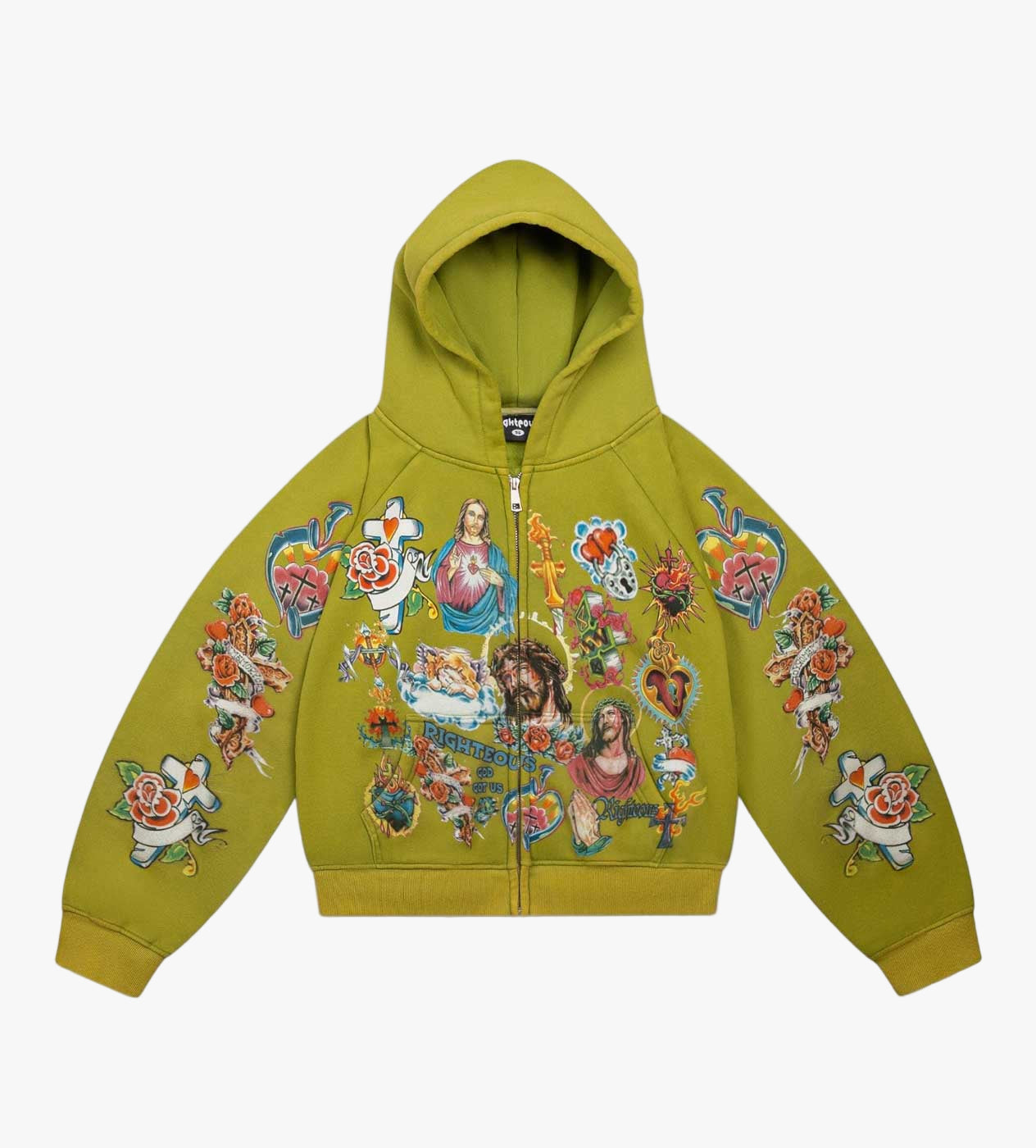
Query anyone who follows street fashion attentively and they will tell you that fan-made content now beats paid campaigns for brands at this phase of growth. We Are Righteous gains enormously from this phenomenon. Because it comes from someone the community already believes in, a single carefully composed photo of the righteous hoodie styled with mismatched outerwear can outperform a professional shoot. Followers are rarely compensated promoters in most cases; they are buyers who appreciated how a garment sat on them and wanted to show it off.
This content also does something a brand’s own imagery cannot: it reveals actual bodies, real lighting, genuine everyday context. A controlled studio shot conveys shape and flow far less convincingly than watching a person wear a piece on a commute, at a show, or on a weekend getaway. That realness is specifically why so many customers now seek out a righteous review before buying anything, favoring a third party’s unfiltered take over marketing copy. The community has in effect become the brand’s most trustworthy sales team, though uncompensated, deeply committed.
There is also a additional effect worth noting. Content made by fans often stacks up pieces against other brands they own—unintentionally generating free competitive analysis for readers. A shopper researching righteous clothing brand quality can, within a few swipes, see it measured against a handful of other names in the same price bracket. A decade ago, this kind of open, casual comparing did not exist in fashion, and it has since raised the bar for everyone, including this one.
Weighing Up How Fan Communities Interact
Not every streetwear community acts the same way, and recognizing those distinctions helps explain why the We Are Righteous fanbase feels different. The following table contrasts general engagement patterns across three standard community types in this space, based on documented activity rather than brand claims.
| Community Type | Leading Platform | Primary Behavior | Usual Posting Rate |
|---|---|---|---|
| We Are Righteous fan community | Instagram platform + private chat groups | Outfit checks, release alerts, candid reviews | Several times weekly around drops |
| Large mainstream streetwear community | TikTok | Trend-driven hauls, unboxings | Every day, large output |
| Specialized resale/collector community | Discord and forums | Verifying authenticity, tracking prices, trading items | Constant, low visual output |
This comparison shows that the We Are Righteous community sits somewhere between the high-frequency chaos of mainstream trend culture and the quieter, more technical world of collector forums. It is visual enough to feel current but detailed enough to feel trustworthy, and that balance is not something a brand can fully engineer on its own.
From Customer Input to Completed Item: How It Forms
Its calls are influenced in a hands-on way by fan input, a fact that stays underappreciated throughout this brand environment. Updated fit notes on subsequent product pages have over time stemmed from sizing complaints voiced in a review thread. Fans themselves informally track asks to bring back stock on specific pieces, notifying the brand directly once interest hits a noticeable threshold. Rather than any kind of structured research setup, the reality is more akin to an ongoing, unstructured conversation that ends up shaping real outcomes.
Decisions around color options in particular look like they answer to fan feedback. Whenever a limited righteous hoodie drop sells through within hours, fans openly ask for that same colorway to return, and those requests build up in comment sections until they become impossible to overlook. Not every request is met, but regardless, the visibility of that demand guides how later releases get planned. It is a noticeably clearer relationship between shopper and label than the traditional top-down fashion model most people grew up with.
Sizing reliability has become a particularly common topic of conversation. Because members trade feedback over repeated purchases, recognizable patterns appear in no time — whether a garment is true to size, runs slightly big, or is better for layering purposes. Shoppers new to the brand researching righteous clothing prior to purchase often rely on these shopper-gathered sizing notes ahead of the official size chart by itself, treating community consensus as an extra layer of verification.
What to Take Away Looking Ahead to 2026
Rather than dilute, the community energy seems bound to grow stronger as the brand moves deeper into 2026. More cities are seeing casual meetups take shape, a growing number of independent reviewers are putting out in-depth rundowns, and more first-time buyers are coming in already primed by a fellow buyer’s genuine we are righteous review rather than impersonal ad copy. That is a meaningfully different customer journey than most fashion brands experience, and it puts pressure on product quality to keep matching the conversation happening around it.
There’s likewise a growing expectation among followers that the brand will keep listening, not just putting out releases. Groups built on such engagement are unforgiving of silence; they expect acknowledgment when suggestions brings about a shift, even something as small as a blurb referencing a popular request. This dynamic ups the ante but also reinforces devotion, because people remain committed to companies that clearly engage back.
When it comes down to it, the culture around We Are Righteous has been constructed more through conversation than campaigns. More than any marketing push, it’s shoppers swapping fit notes, arguments over sizing, self-organized meetups, and unsponsored reviews that have actually built the brand’s identity. Since ongoing trust is its whole basis, this organic base is delicate in certain respects—yet it’s still remarkably durable. Because a community that builds itself tends to defend what it built, that pattern will most likely go on influencing the brand for a long time to come.